Senior Researcher Louise Olsson participated in a training workshop organized by European Peacebuilding Liaison Office (EPLO) on September 21-23 in Brussels. The workshop gathered members from civil society organizations, such as Kvinna till Kvinna, Berghof Foundation, CMI - Martti Ahtisaari Peace Foundation, WIIS Italy, Cordaid, and Conciliation Resources, as well as research institutions such as PRIO and SIPRI.
The workshop concluded with the participants forwarding concrete suggestions for the upcoming revision of the EU’s Women, Peace and Security Action Plan to the Ambassador for Equality, Julia Koch-de Biolley and her task force team at the European External Action Service (EEAS).
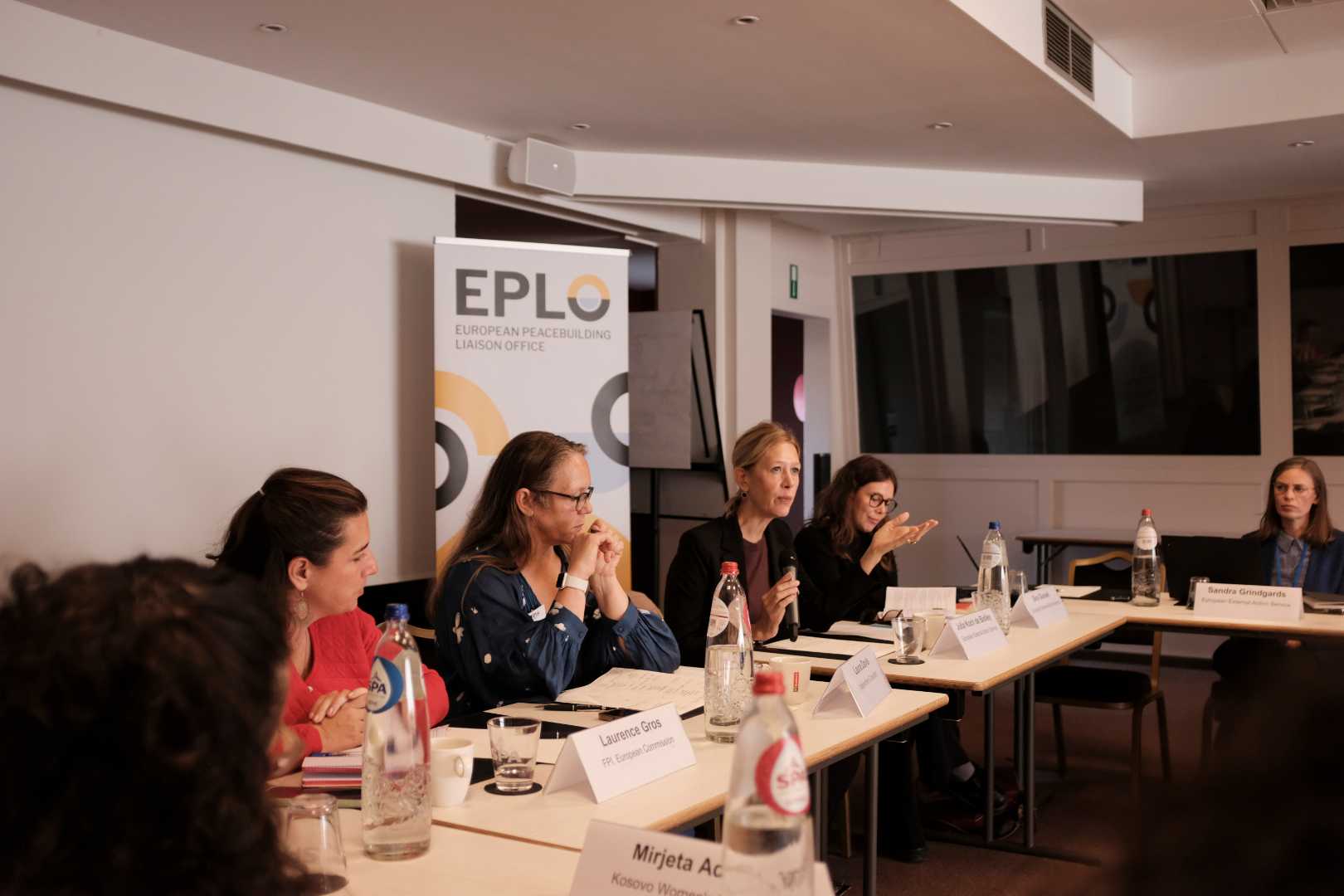
Many suggestions to the Ambassador recognized that Europe’s rapidly deteriorating geopolitical situation calls for a twofold response: ensuring that WPS implementation speak directly to the EU’s evolving security and defense agenda, while revitalizing the EU’s engagement for peace and security globally, including through mediation and support for local women’s organizations.
Strengthening WPS in security and defense requires attention to societal resilience. PRIO emphasized that extensive empirical research and data on the dynamics and consequences of war and on WPS offer valuable evidence for shaping such policy and practice. Examples from PRIO research on WPS in total defense and resilience also illustrate concrete implications for security and defense leaders, particularly at this critical juncture for European security.
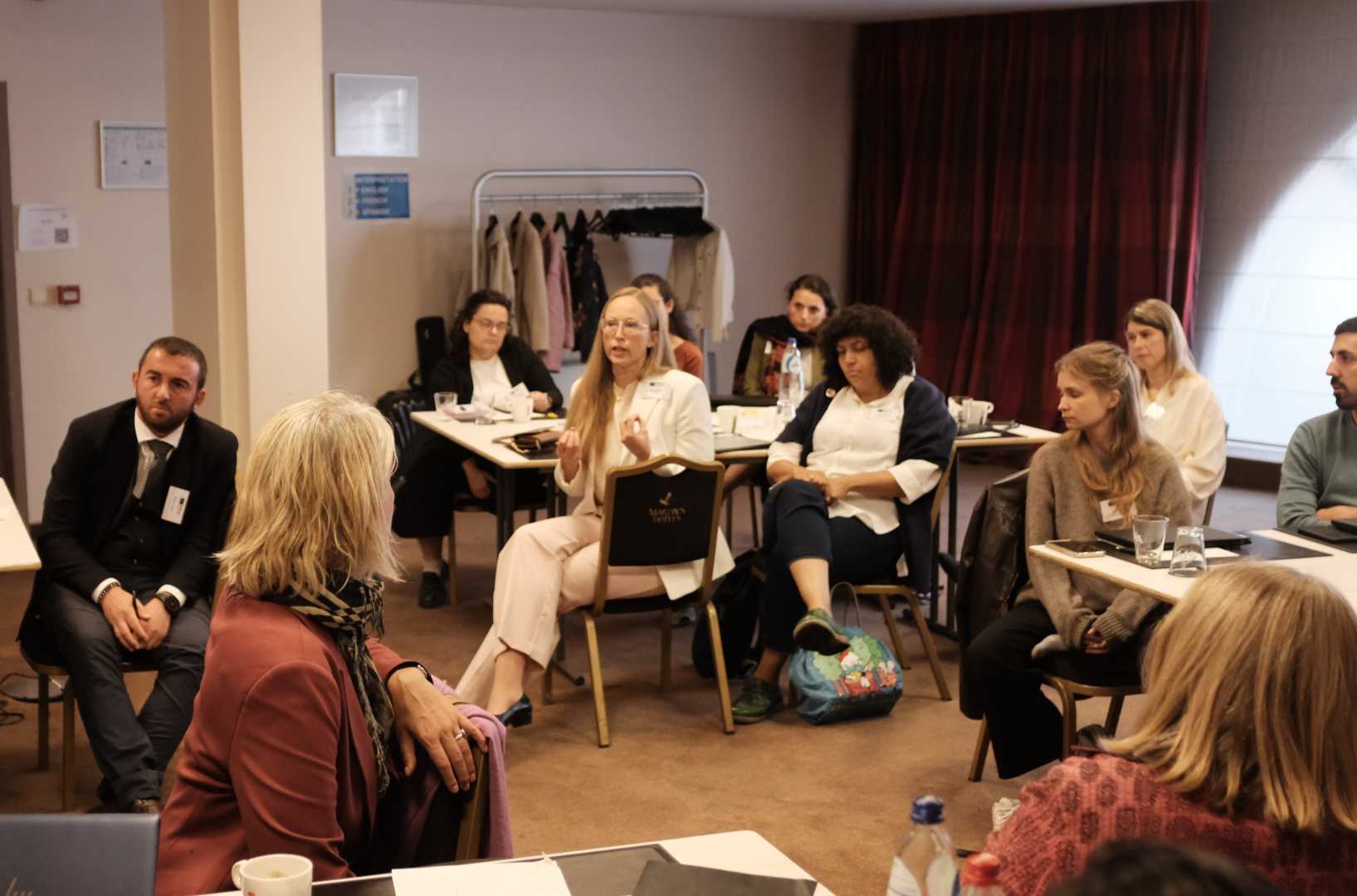
Olsson specifically brought the attention to three issues:
First, clearer distinctions on WPS demands are needed between responsibilities for a) military defense, b) civilian defense, and c) maintaining essential societal functionality. These distinctions have important implications for WPS, gender equality, and gender roles, particularly in understanding how responsibilities, risks, and capacities are distributed across society.
Second, military and civilian defense leaders in Europe need support through targeted approaches to mainstreaming. This means that WPS needs to be linked to clear and understandable objectives in the core debates in defense and resilience as well as connected to the specific challenges and opportunities leaders are likely to face. Research can help anticipate pathways to such consequences, including conflict-related sexual violence (CRSV), sexual exploitation and abuse (SEA), population displacement, and heightened threats to women and girls. It can also inform analysis of how civilian and military priorities intersect, including in areas such as the protection and distribution of air defense capabilities at a time of deliberate civilian targeting. More targeted mainstreaming can support faster organizational capacity development while helping to embed WPS perspectives sustainably in Europe’s evolving security and defense structures.
Third, WPS must recognize the growing importance of AI, emerging technologies, and big data. While these technologies introduce new risks, they also offer opportunities, particularly for prevention and early action. PRIO’s work for the Ministry of Foreign Affairs in the Republic of Korean on WPS and emerging technologies is an example of how research can support the development of such knowledge.
Strengthening the EU’s capacity to implement WPS within its own security, defense, and resilience efforts can reinforce its credibility as an international actor for peace and security. Aligning its internal practices with its external commitments would contribute to a more coherent and realistic approach to WPS in a changing security environment.